
Slot Psychology: Why Games Keep Players Spinning
Slot games do more than spin reels. Near misses, sounds, quick spin, bonus buys and digital balances all shape how long you keep playing.

Slot games do more than spin reels. Near misses, sounds, quick spin, bonus buys and digital balances all shape how long you keep playing.

Online gambling psychology is not just about addiction or chasing losses. It is also about how money changes shape on a screen. Cash feels real. Balance feels easier to risk, and that is where the danger begins.

Most people fear losing in gambling. But sometimes the real danger starts after a win, when profit stops feeling like money and becomes ammunition for the next bet.
Quitting gambling takes more than another promise after a loss. Practical barriers, support and a plan for difficult moments can help you move forward.
A winning run can make the next bet feel easier and a setback feel personal. The unwritten rule of gambling explores how that shift turns confidence into chasing.

Chasing losses feels like the only way to recover — but it often leads to bigger problems. Here’s why it happens and how to recognize it early.

Most players do not lose because they are stupid. They lose because they misunderstand how the system works. This guide breaks down the online casino myths that keep costing players money, from RTP and max win to dead slots, demo

Most players see 96% RTP and think the slot owes them something. It does not. RTP explains the game’s long-term math, not your next spin, your next bonus, or your next session.

The slot paid big. The casino still won. Here is the real story behind slot providers, RTP versions, bonus caps, and the terms players scroll past.

A psychological look at casino loyalty programs, from cashback and VIP levels to missions, bonuses and the systems designed to bring players back.

Every online casino is running the same offer. Free spins, doubled deposit, register now. This is not generosity. This is a formula, and once you understand it, nothing about casino marketing will surprise you again.

You won. The casino took your deposit in five seconds flat. Now it wants three business days to send money back. This is where the real test starts.

Not every online casino is safe. This guide shows you how to spot legit platforms, avoid common traps, and choose where to play with confidence.

Compare Martingale, Fibonacci, D’Alembert and Labouchere, how their stake progressions work, why they feel effective and where the real risks begin.
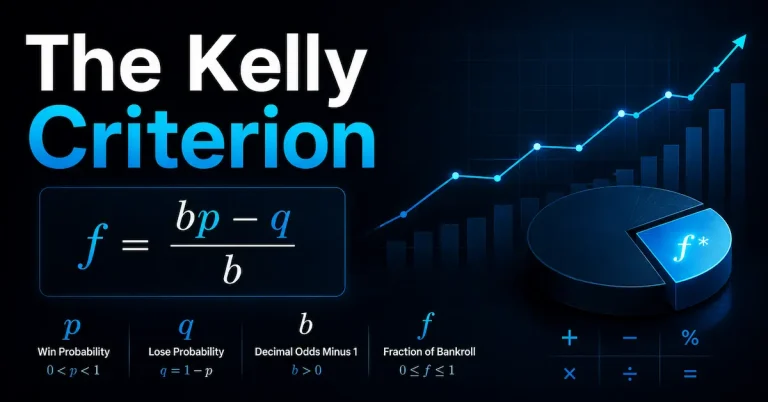
Learn how the Kelly Criterion calculates betting stakes, why probability estimates matter, and where Full, Half and Quarter Kelly can go wrong.

Knowing the sport is never enough on its own. This guide breaks down the sports betting strategy traps most players miss, from safe bets and value betting to cash out and staking mistakes.

A seller can send different predictions to different groups, keep the winners and hide the rest. Here is why one correct tip does not prove inside information.
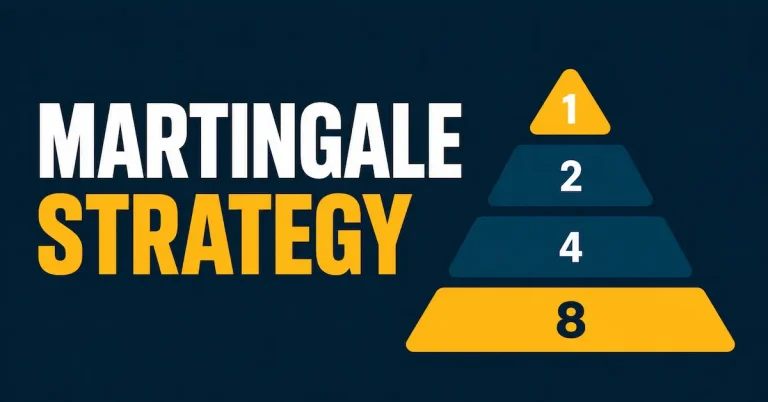
A $10 starting bet can lead to a $5,120 next stake. The Martingale strategy shows how a small target profit can come with much larger financial exposure.
Four tickets can depend on the same three selections. A betting pyramid example shows why one winning base may still leave the overall session at a loss.

Two wins from three tickets can still leave you down. A look at betting discipline, short odds and why waiting does not guarantee a profitable result.